
Group photo at the "2022 CAUS Twin Forum on ESG and Metaverse Trends" hosted by Asia University. AU President Jeffrey J. P. Tsai (front row, center), CMU Vice President Shuu-Jiun Kuo (front row, right), and distinguished guests.
「ESG(環境、社會與治理)浪潮來襲,你做好準備了嗎?」亞洲大學舉辦「2022 中亞聯大 ESG 與元宇宙趨勢雙論壇」,邀請來自不同領域、在永續轉型上佔有領先地位的公司分享經驗,共有近200人實體、線上同步參與;並過與元宇宙Web3.0技術在ESG議題上應用,結合產業界與學界,共同培育ESG永續和元宇宙Web3.0數位經濟產業所需人才。
"The wave of ESG (Environmental, Social, and Governance) is arriving; are you ready?" Asia University hosted the "2022 CAUS Twin Forum on ESG and Metaverse Trends," inviting pioneering corporations across various domains in sustainable transformation to share their experiences. Nearly 200 participants attended on-site and online synchronously. By exploring the applications of Metaverse Web3.0 technologies in ESG issues, the forum bridged industry and academia to co-cultivate essential talents needed for the ESG sustainability and Web3.0 digital economy industries.
亞大校長蔡進發致詞表示,最近天氣十分炎熱,地球暖化、極端氣候的變化,每個人都感受到。中國醫藥大學、亞大系統學校「中亞聯大」持續滾動式調整,亞大從建校之初就定位世界「綠色花園大學」,校園內種植1萬多棵樹樹,綠覆率達97.4%;全校1460門課程納入聯合國永續發展的17項SDGs目標,全力培育未來全球所需的「綠金人才」。元宇宙與環境重整合,如何達到永續轉型的驅動力,亞大也朝「以人為本」的元宇宙大健康目標邁進。
AU President Jeffrey J. P. Tsai remarked in his opening speech that everyone has felt the recent scorching weather, global warming, and extreme climate changes. The "China-Asia University System" (CAUS), formed by China Medical University and Asia University, continuously implements rolling adjustments. Since its establishment, AU has positioned itself as a global "Green Garden University," planting over 10,000 trees on campus and achieving a green coverage rate of 97.4%. Furthermore, 1,460 courses university-wide have integrated the United Nations' 17 SDGs to fully cultivate "Green-Gold Talents" needed globally. In exploring how the integration of the Metaverse and environment can drive sustainable transformation, AU is also advancing toward the goal of a human-centric "Metaverse Smart Healthcare."
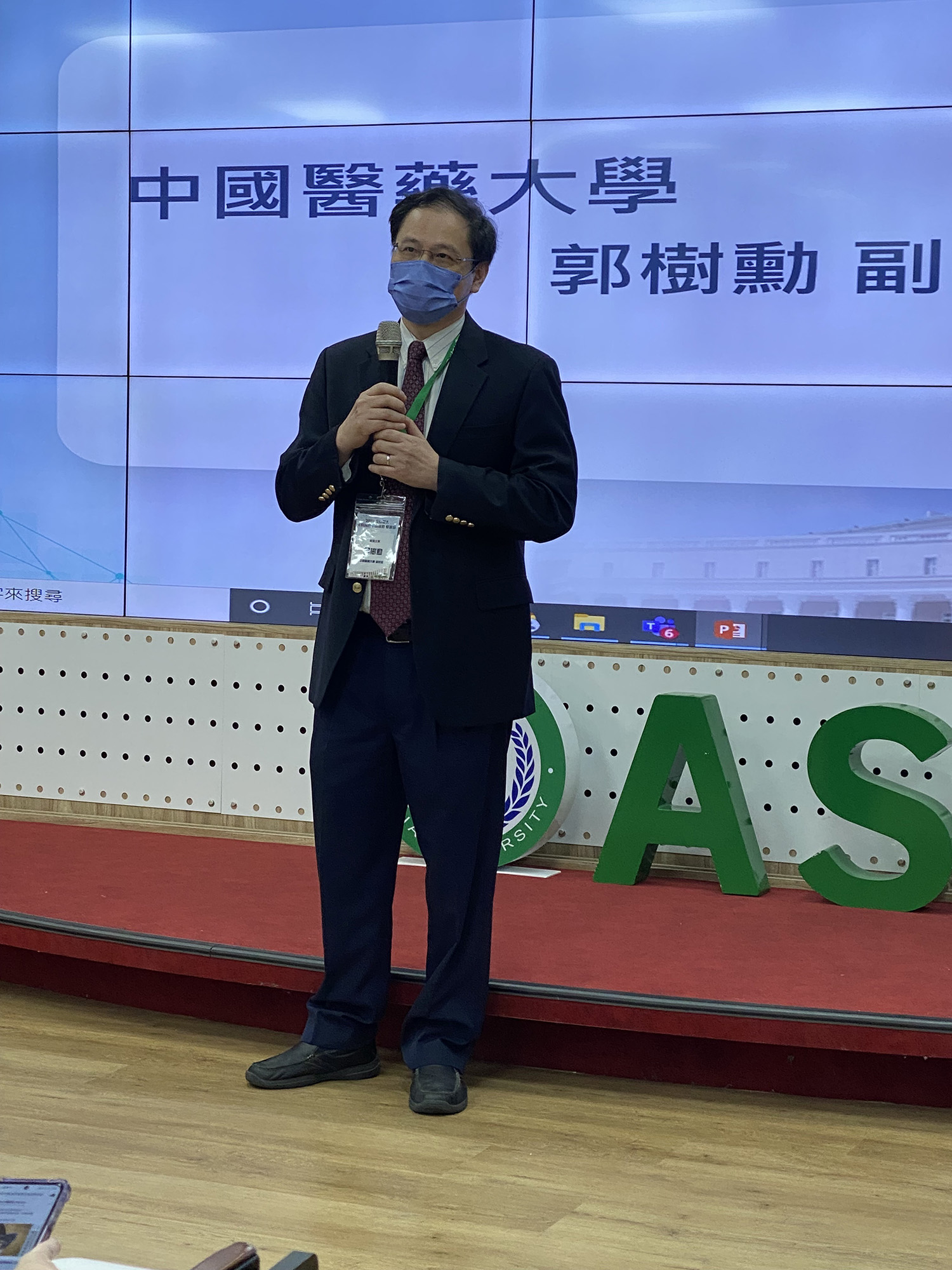
中國醫藥大學副校長郭樹勳指出,氣候變遷讓每個人感受到ESG,其實沒有辦法自己阻擋,這次論壇探討是攸關全世界的未來,是全球性的議題,必須以新思維來轉換現在的環境,才能解決這樣的難題。
Shuu-Jiun Kuo, Vice President of China Medical University, pointed out that climate change forces everyone to feel the urgency of ESG, which cannot be blocked by individuals alone. The topics discussed in this forum concern the future of the entire world; it is a global issue that requires a brand-new mindset to transform our current environment and solve these arduous challenges.
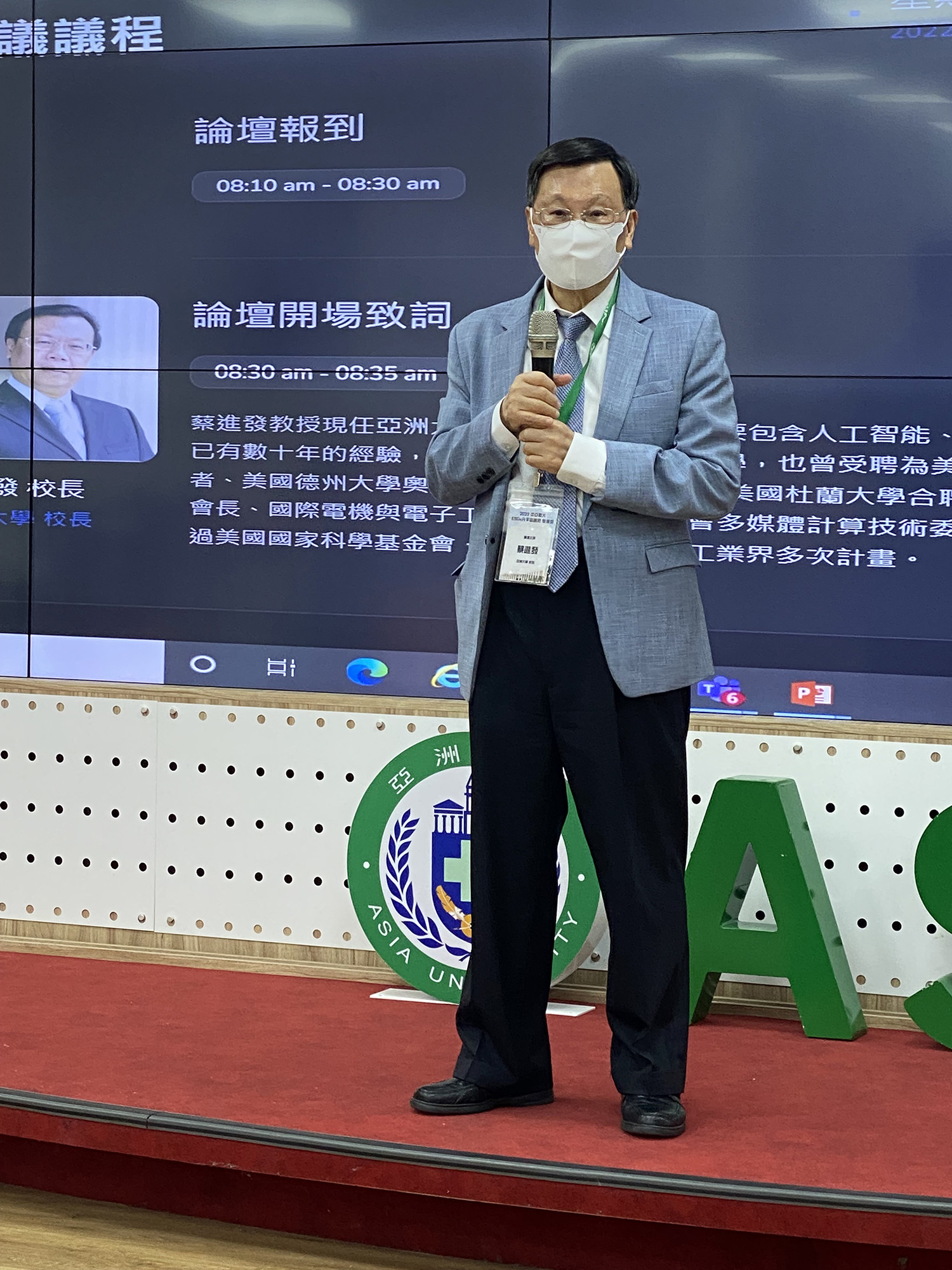
AU President Jeffrey J. P. Tsai delivers the opening address, highlighting the forum's success in uniting industry and academia to collectively foster talents for the sustainability and metaverse digital economy sectors.
「人一生中使用最多的單一物質,第1是水、第2是什麼?」答案出人意料,是水泥。台灣綠色資產管理董事長藍賢明在演講中指出,水泥生產造成巨大的二氧化碳排放。解決二氧化碳問題的產業鏈?他說,水泥是因人類文明發展需要而產生的產物,但台灣泥污治理排的骨幹類型,如排水、資源還原及綠色能源,成為目前3大核心事業;從水泥氣候高溫回收到資源再生利用,水泥廠發展成綠光工廠,翻轉排污的工業,映射社會發展產生新力量。
"What is the single substance that humans use the most in their lifetimes, second only to water?" The answer is surprising: cement. Hsien-Ming Lan, Chairman of Taiwan Green Asset Management, pointed out in his speech that cement production generates massive carbon dioxide emissions. Addressing the supply chain for carbon solutions, he explained that while cement is a necessary byproduct of human civilization, Taiwan's pollution control backbones—such as drainage, resource recovery, and green energy—have become three core pillars. By capturing high-temperature waste heat and recycling resources, traditional cement factories are transforming into eco-friendly "green factories," rewriting the narrative of polluting industries and reflecting a new force in societal progress.
台灣量子文教基金會執行長張偉賢以「賺1.5℃大限,完動5年11億元」破題。他說,氣候變遷與氣候防護正發生中,如果沒有守住全球溫升氣候補償線,升溫1.5℃臨界線,可能為世界帶來不可逆的改變。他說,台灣量子文教基金會持續關注碳中和問題,目前正是台灣排碳存活的關鍵期,溫度上升讓碳進口化更嚴重。
Wei-Hsien Chang, CEO of the Quantum Education Foundation Taiwan, broke the ice with the topic "Winning the 1.5°C Deadline." He emphasized that climate change and climate protection are happening right now; failing to secure the global temperature compensation line at the 1.5°C threshold could inflict irreversible changes upon the world. He stated that the foundation remains closely focused on carbon neutrality issues, noting that the current era is critical for Taiwan's low-carbon survival, as rising temperatures intensify carbon import dependencies.
張偉賢表示,地球震動第6次生物大滅絕,人類是大頭,他們在台灣東北角推廣網,使用AI與物聯網識別物種,他聽著波浪起計一座巨大的藝術作品「孕生」,這個作品也將在亞大與台灣量子文教基金會30日舉辦的「地球脈動」生態典藏展揭幕,在亞大圖書館重現。
Chang stated that humanity is the primary driver behind Earth's ongoing sixth mass extinction. In response, they have deployed networks along the northeast coast of Taiwan, utilizing AI and the Internet of Things (IoT) to identify species. Inspired by the rhythm of ocean waves, he conceived a massive artwork titled *Birth*, which will be unveiled at the "Earth Pulse" Ecological Collection Exhibition co-organized by AU and the foundation on the 30th, and will be recreated in the AU Library.
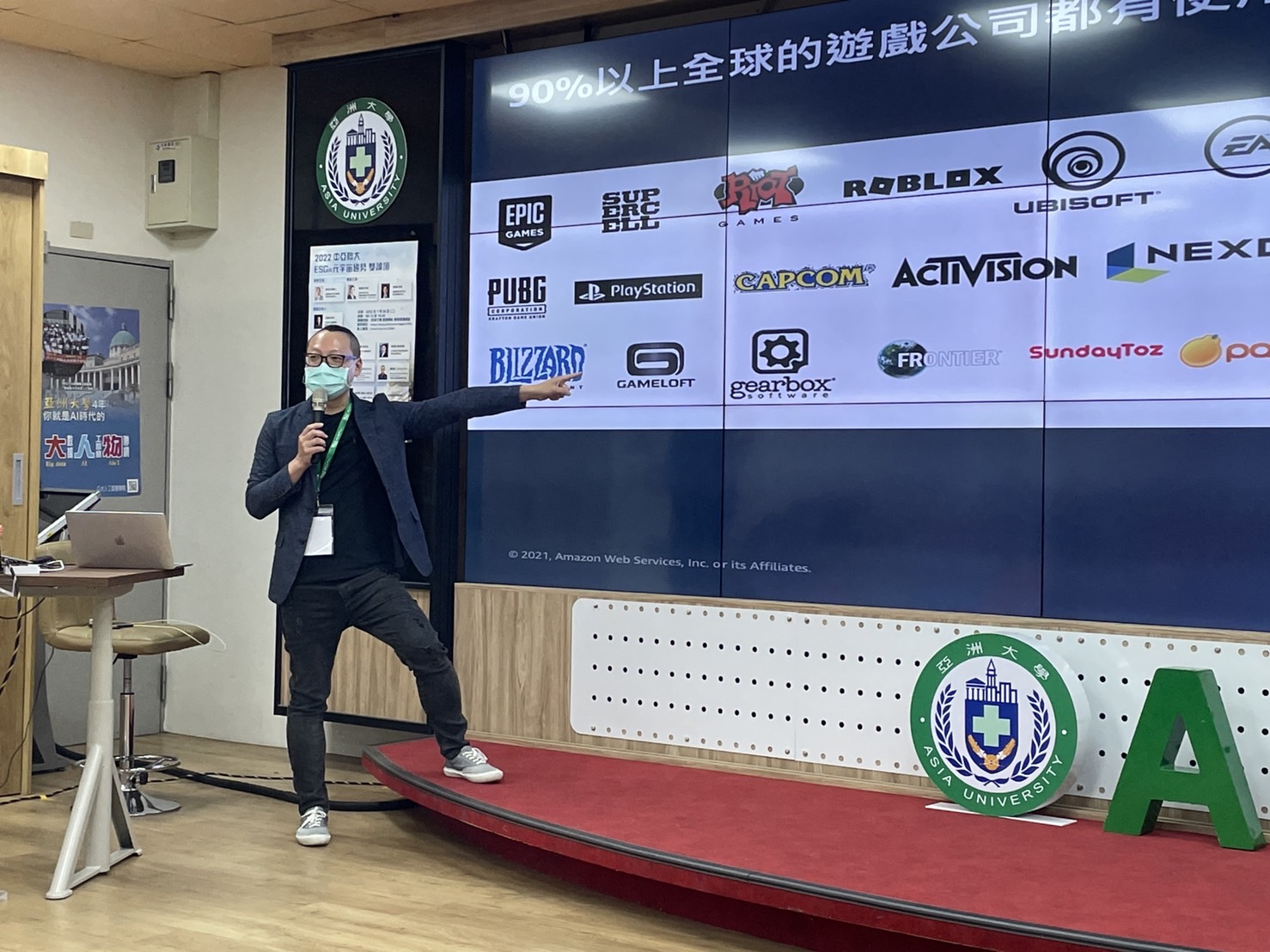
台灣亞馬遜網路服務公司AWS資深經理羅祥吉,以虛擬「模擬藍海2049」中得到的被追緝、科技的未來視角,帶領老兩入元宇宙情境。他指出,元宇宙不是全新話題,而是不同元素、要素匯聚世界綜合的虛擬世界,因為是現實與虛擬的交資,跨平台使用以3D效果更重要。使用者有虛擬身分、沉浸感、多新連性、內容豐富、容易登入是元宇宙基本要素,由此才映形成元宇宙生態鏈,進而產生元宇宙文明。
Hsiang-Chi Lo, Senior Manager at Amazon Web Services (AWS) Taiwan, guided the audience into metaverse scenarios through a futuristic, high-tech perspective inspired by the virtual simulation *Blue Ocean 2049*. He pointed out that the Metaverse is not a brand-new topic but a synthesized virtual universe where distinct elements converge. Being an intersection of reality and virtuality, 3D effects are paramount for cross-platform usage. Basic elements of the Metaverse include virtual identity, immersion, multi-connectivity, rich content, and accessibility, which together map out the metaverse ecosystem and subsequently give rise to metaverse civilization.
專注元宇宙服務的MomentX公司創辦人李勁葦線上分享,Web3.0是元宇宙發展的重點,改革新的網路世界,從最早的Web1.0,使用者唯讀網頁讀取,到Web2.0網際世界被少數公司主掌,Web3.0去中心化,從硬碟解碼數位技術,用戶擁有資產所有權,使用者不僅是分享生活在社群,而是生活在其中,形成智慧元宇宙,帶動商業巨量變革更大。
Chin-Wei Lee, founder of MomentX, a company specializing in metaverse services, shared online that Web3.0 is the center of gravity for metaverse development, revolutionizing the digital world. Transitioning from the read-only web of Web1.0 to the Web2.0 era dominated by a handful of tech giants, Web3.0 introduces decentralization through cryptographic technology, granting users true ownership of digital assets. Users do not merely share their lives on social media; instead, they live within the medium, shaping a smart metaverse that drives monumental transformations in commerce.