
三年走訪七學校,利用球型機器人教具,提高孩子學習興趣,參與學生腦力激盪、專業再提升。
Visiting seven schools in three years and utilizing spherical robot teaching aids, the initiative enhances children's interest in learning while boosting university students' brainstorming and professional expertise.
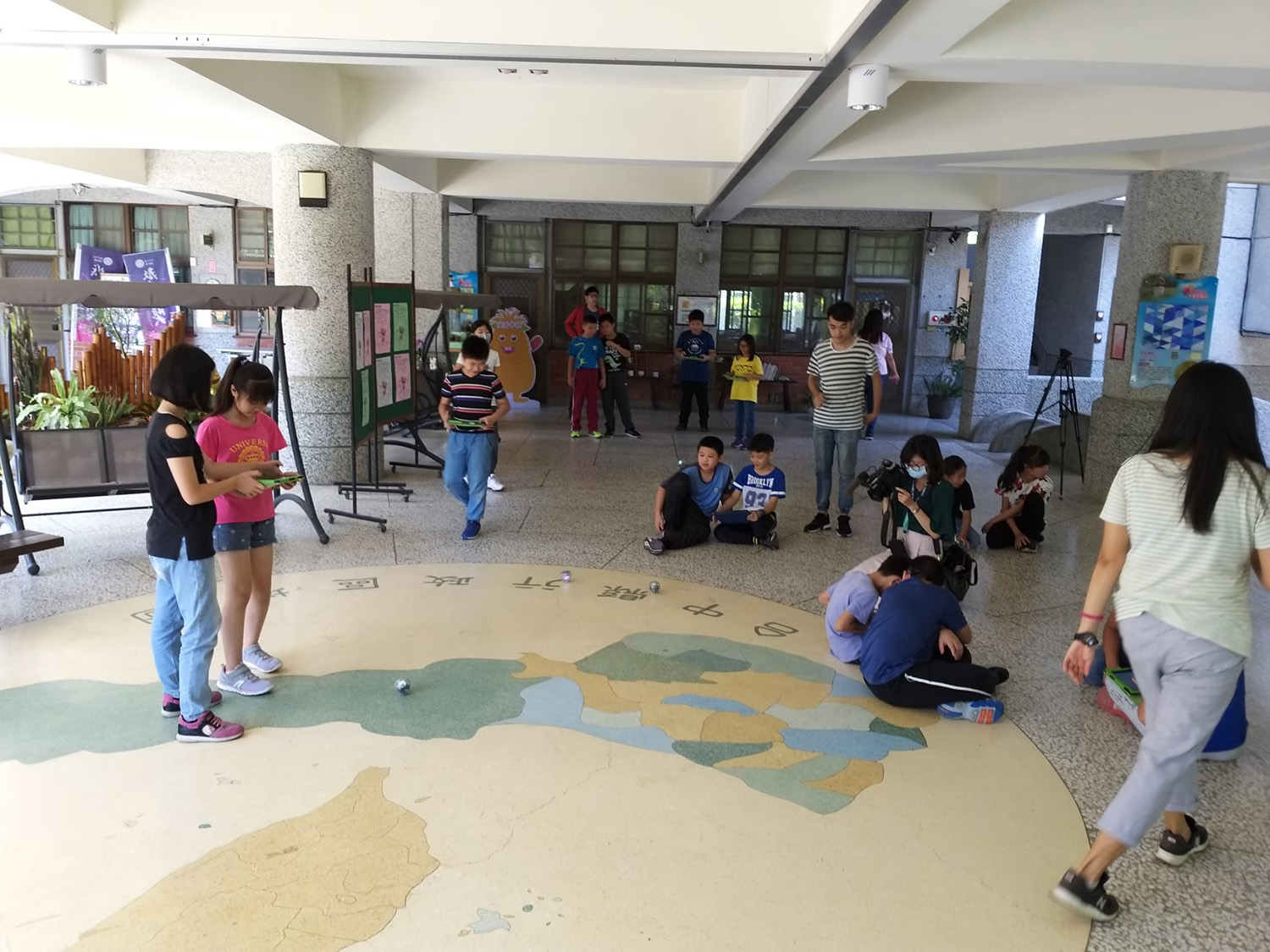
Photo: Faculty and students from AU's Department of Business Applications guide children at Tonglin Elementary School in Wufeng on operating smart spherical robots.
亞洲大學商務應用學系師生共同開發出適合中小學生的AI初階課程,由系主任廖岳祥等帶領學生到偏鄉中小學服務,三年內已前往7所學校,最遠撥到連江馬祖高中,推行AI初階、進階課程與AI科普演講,善盡USR大學社會責任。
Faculty and students from the Department of Business Applications at Asia University have jointly developed introductory AI courses tailored for primary and secondary school students. Led by Department Chair Yue-Xiang Liao, the team has provided services to rural schools, visiting seven institutions within three years, with the furthest being Matsu Senior High School in Lienchiang County. By promoting introductory and advanced AI courses alongside popular science lectures, the department actively fulfills its University Social Responsibility (USR).
廖主任表示,系上開發的AI初階課程,利用智能球型機器人為教具,讓沒有任何AI基礎的中小學生,在玩樂中學習到AI應用與程式設計概念,教學內容有2至6小時,可彈性調整。
Chair Liao stated that the introductory AI course developed by the department utilizes smart spherical robots as teaching aids. This allows younger students with no prior background in AI to learn AI applications and programming concepts through play. The course content ranges from 2 to 6 hours and can be flexibly adjusted.
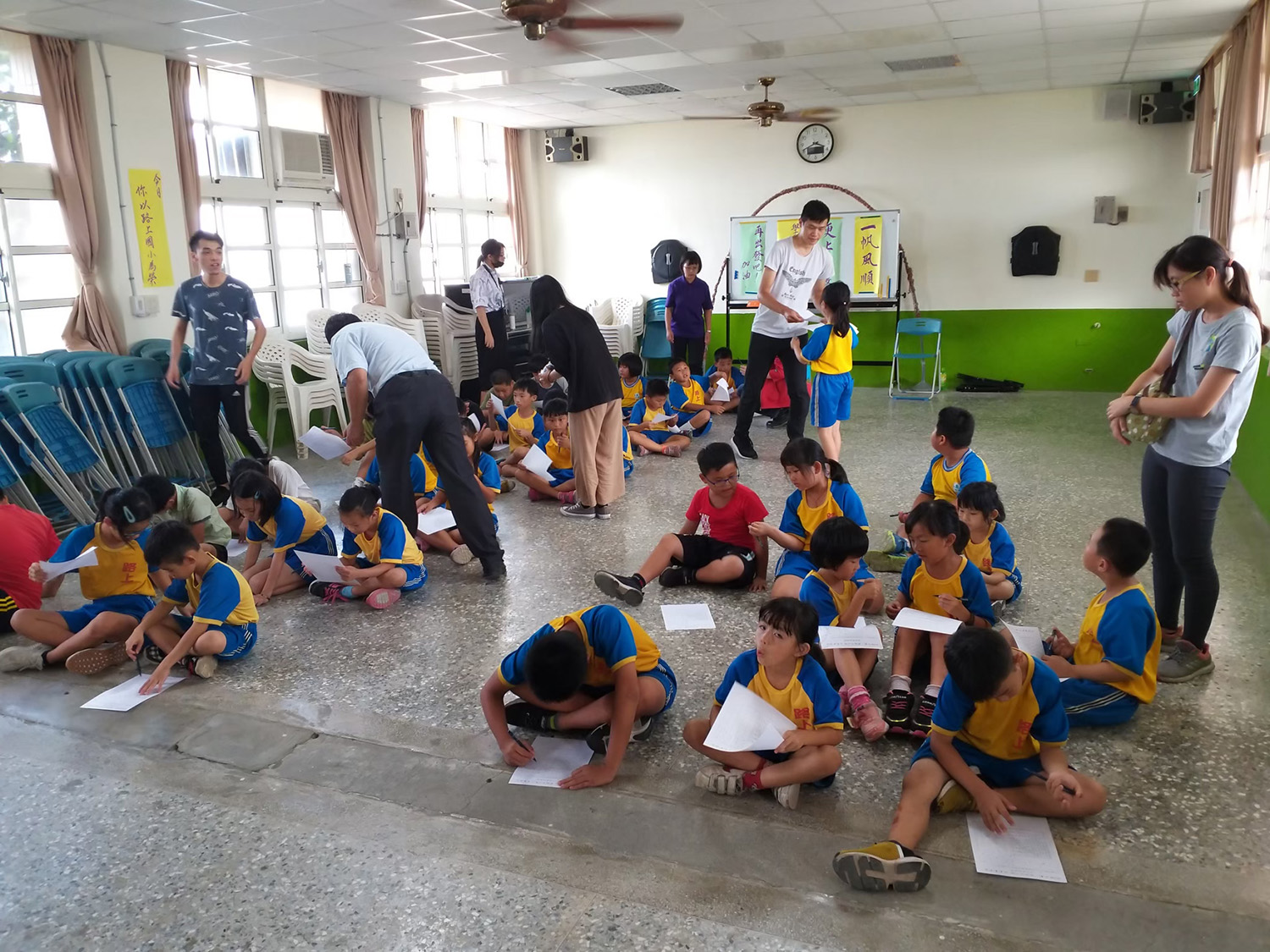
Photo: AU business application team visits Lushang Elementary School in Changhua, guiding children to grasp AI application and programming concepts through playful interaction.
另外,針對已有基礎的中學生開發AI進階課程,主要教授AI程式語言Python、物聯網(IoT)晶片D1 mini連結各種設備,同學透過一對一教學,了解到物聯網(IoT)裝置的運作方式,也學習到程式設計概念,教學為6至18小時彈性課程。
Furthermore, an advanced AI course was developed for secondary school students who already possess a basic background. This course primarily teaches the AI programming language Python and demonstrates how to connect various devices using the Internet of Things (IoT) chip D1 mini. Through one-on-one tutoring, students gain a clear understanding of how IoT devices operate and master fundamental programming logic. This flexible curriculum spans 6 to 18 hours.
商應系下鄉服務團隊包括:蔣文中、劉兆隆、潘信宏、詹啟祥4名老師,帶領6名大學生助理,在3年內走訪偏鄉中小學服務,到過彰化路上國小、霧峰桐林國小、彰化和美實驗中學、彰化鹿港高中、連江馬祖高中、台中大明高中、南投旭光高中等校。
The community service team comprises four professors—Wen-Zhong Jiang, Zhao-Long Liu, Xin-Hong Pan, and Qi-Xiang Zhan—alongside six undergraduate assistants. Over the past three years, they have traveled extensively to serve rural schools, including Lushang Elementary School in Changhua, Tonglin Elementary School in Wufeng, National Changhua Special Education School, National Lukang Senior High School, Matsu Senior High School, Taichung Daming High School, and Nantou Xuguang High School.
廖主任指出,過往學習AI課程,偏鄉中小學生開發學習AI與程式設計的一道門,必提升學生的AI素養,而系上參與服務的學生更透過課程編寫、教材安排與服務學習的過程中,更深入的了解教學相長的道理。
Chair Liao pointed out that these initiatives open a vital gateway for rural students to explore AI and programming, effectively enhancing their digital literacy. Meanwhile, the university students participating in the service gain profound insights into the true meaning of mutual learning through curriculum development, lesson planning, and hands-on teaching service.